Oncology · Cytotoxic waste

SealSafe® Pro Waste Sealing Device

A mobile device that heat-seals hazardous waste into a special foil tube, started by a sensor without touch.

Manufacturer: Berner International

This page is intended for healthcare professionals.

35 to 40 sone seal, started by the sensor
about 30seals per battery charge
28 kgopen version, on castors
over 7 dayscarmustine breakthrough time of the foil, as stated by the manufacturer
How it works

From the opening to the bin in four steps

The waste is never handled again once it is in the foil.

From the opening to the bin in four steps 1 2 3 4
  1. 1

    Drop the waste in

    Waste goes through the round opening straight into the foil tube. The rim is stainless steel.

  2. 2

    Start the seal without touch

    An infrared sensor starts the weld when you hold your hand above it; the light turns green.

  3. 3

    The foil closes aerosol-tight

    The weld seals each load in its own pocket; vapour and odour stay inside the three-layer polyethylene.

  4. 4

    Cut off, a new bag starts

    One button cuts the filled length into the bin and forms the bottom of the next bag; the light turns blue.

What the light says

  • YellowReady
  • GreenSealing, 35 to 40 s
  • BlueCut-off weld, 60 s
  • RedFault
Difference

What changes at the bin

Contactless start

an infrared sensor starts the seal, so a contaminated glove never touches a button. A foot pedal is optional.

Each load sealed on its own

the weld closes aerosol-tight, so vapour stays in the foil and odour drops.

Separating weld on one button

the foil is cut, a new bag forms and the filled length drops into the bin.

Battery for about 30 seals

the manufacturer states this; the device can work away from a socket and charges on mains.

Three-layer foil tube

the manufacturer states a breakthrough time of more than 7 days for the cytostatic carmustine.

Stainless steel opening

the rim of the large waste opening is stainless steel, so it wipes clean.

Where

Where it stands

Chemotherapy compounding units, hospital pharmacies, oncology wards and laboratories that work with CMR substances.

  1. 01

    Cytotoxic waste from the safety cabinet sealed where it is produced, in the chemotherapy compounding unit.

  2. 02

    Contaminated sets, gloves and gowns disposed of at the chair on the oncology ward; the device runs on its battery and rolls on castors.

  3. 03

    Toxic or infectious laboratory waste packed before transport, so that it releases no aerosol and less odour.

  4. 04

    Waste collected out of sight in hospital and care units with visitors, with the closed version.

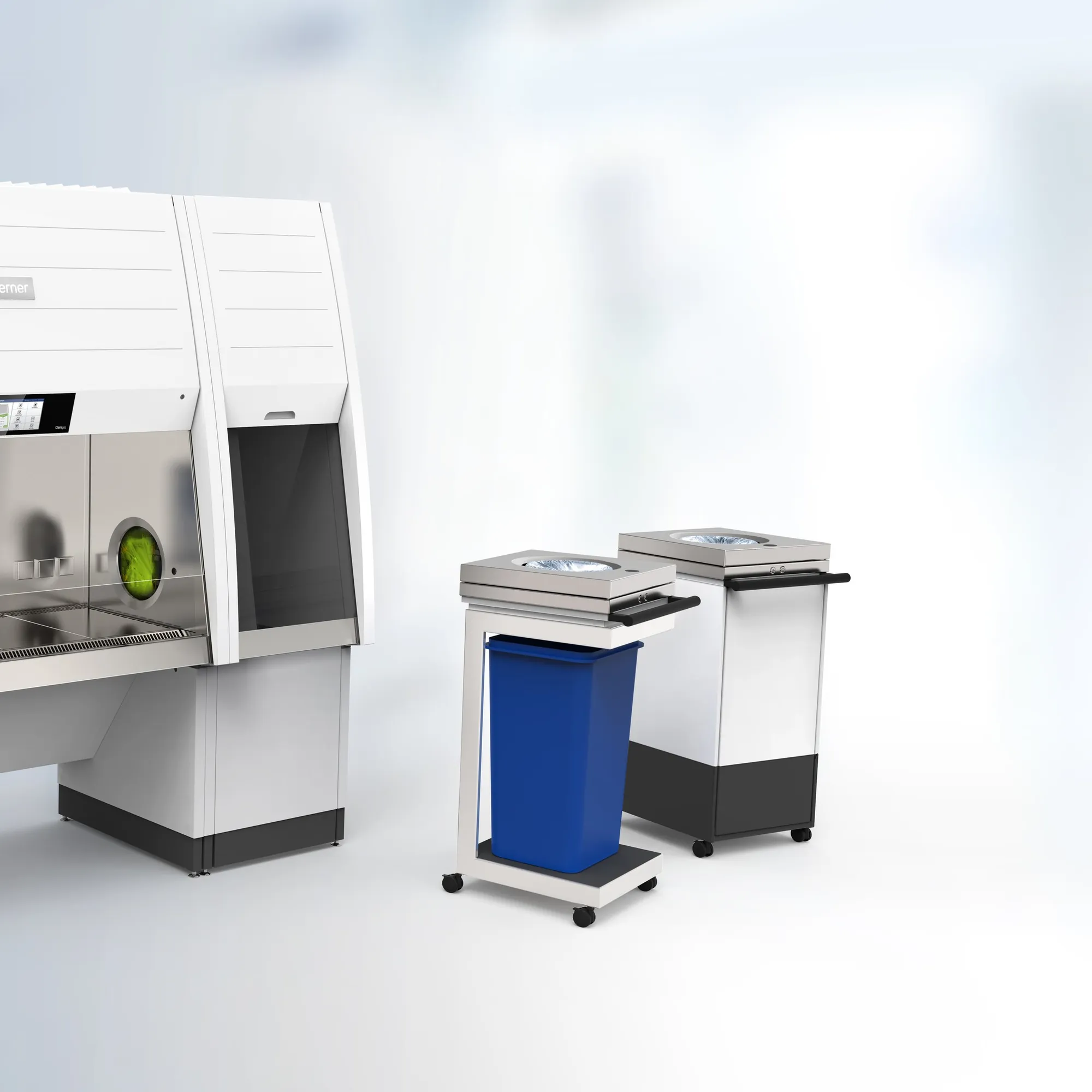
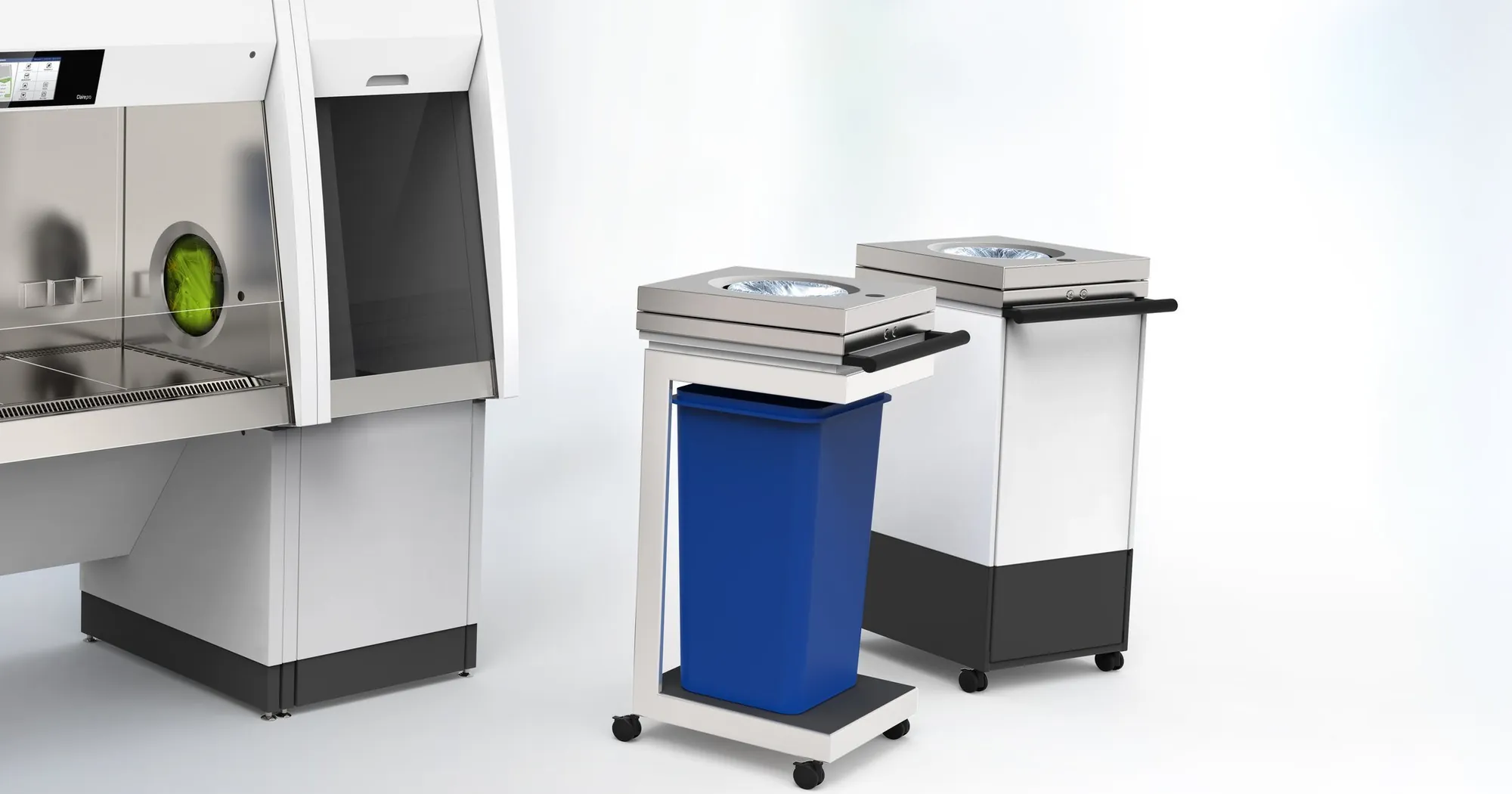
SealSafe Pro open frame and closed housing versions standing next to a safety cabinet in a laboratory
Waste class

Why this waste is collected apart

The European Union classifies waste with a six-digit code (Waste Framework Directive 2008/98/EC). A star next to the code marks hazardous waste.

18 01 08*

Cytotoxic and cytostatic medicines

Hazardous
18 01 03*

Waste whose collection and disposal is subject to special requirements to prevent infection

Hazardous
18 01 04

Waste with no special infection-prevention requirement, such as dressings, plaster casts, linen

Not hazardous

The manufacturer notes that, depending on the laboratory and the code, hazardous waste is collected in special single-use containers and incinerated, or inactivated and incinerated on site. SealSafe closes the waste where it arises, aerosol-tight, before it goes on. In Turkey the rules of the Medical Waste Control Regulation apply; see the questions below. Frequently asked questions

Versions

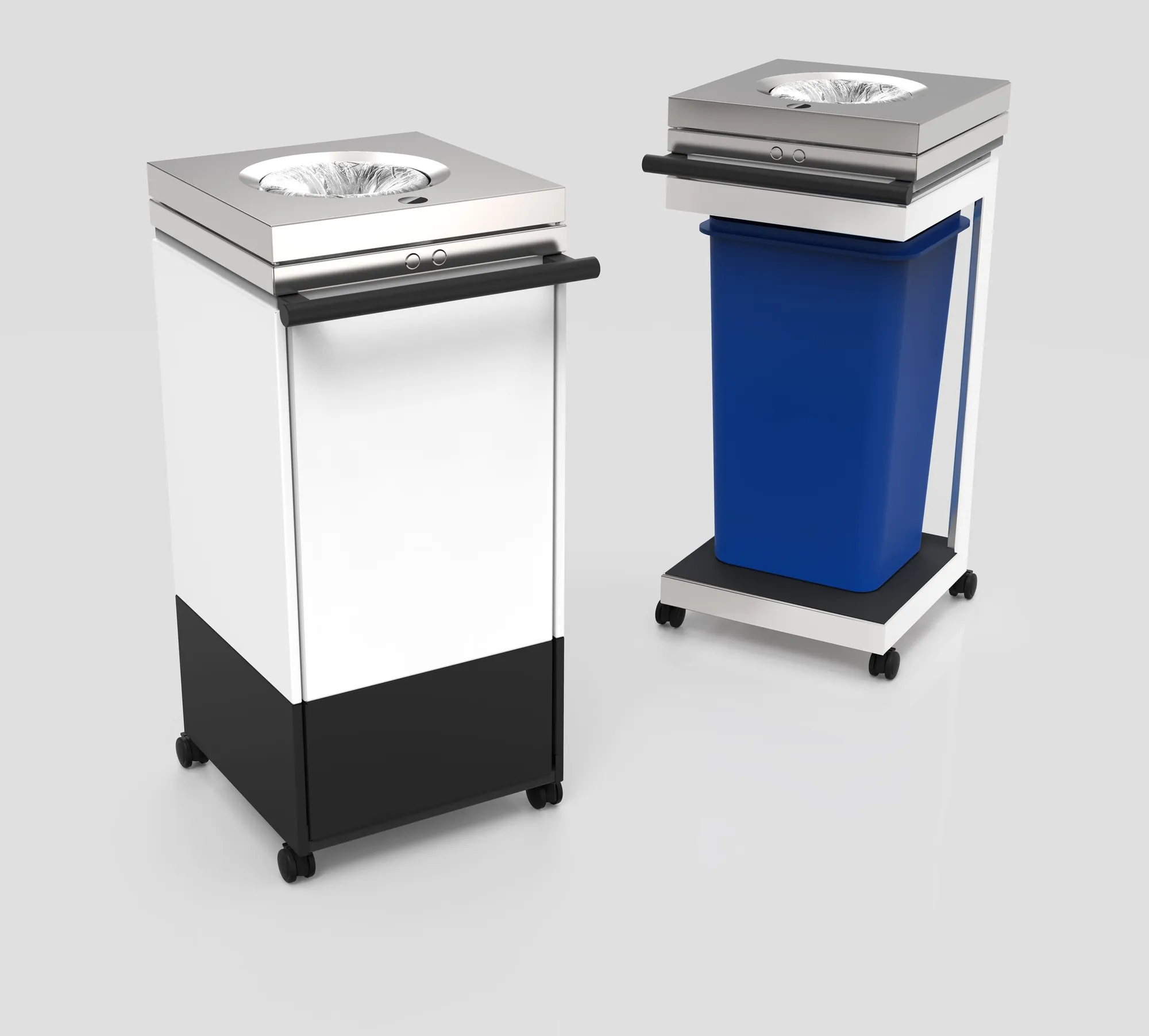
Open or closed

Same sealing unit, same foil tube; only the frame around the bin changes.

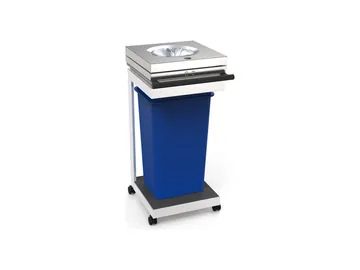
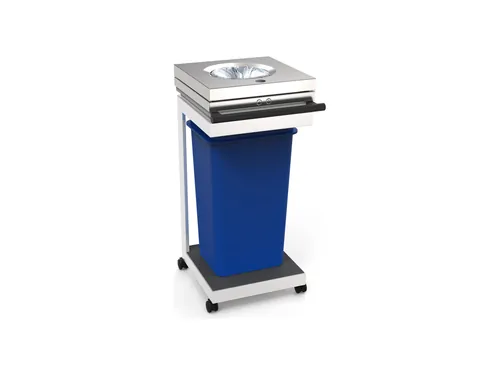
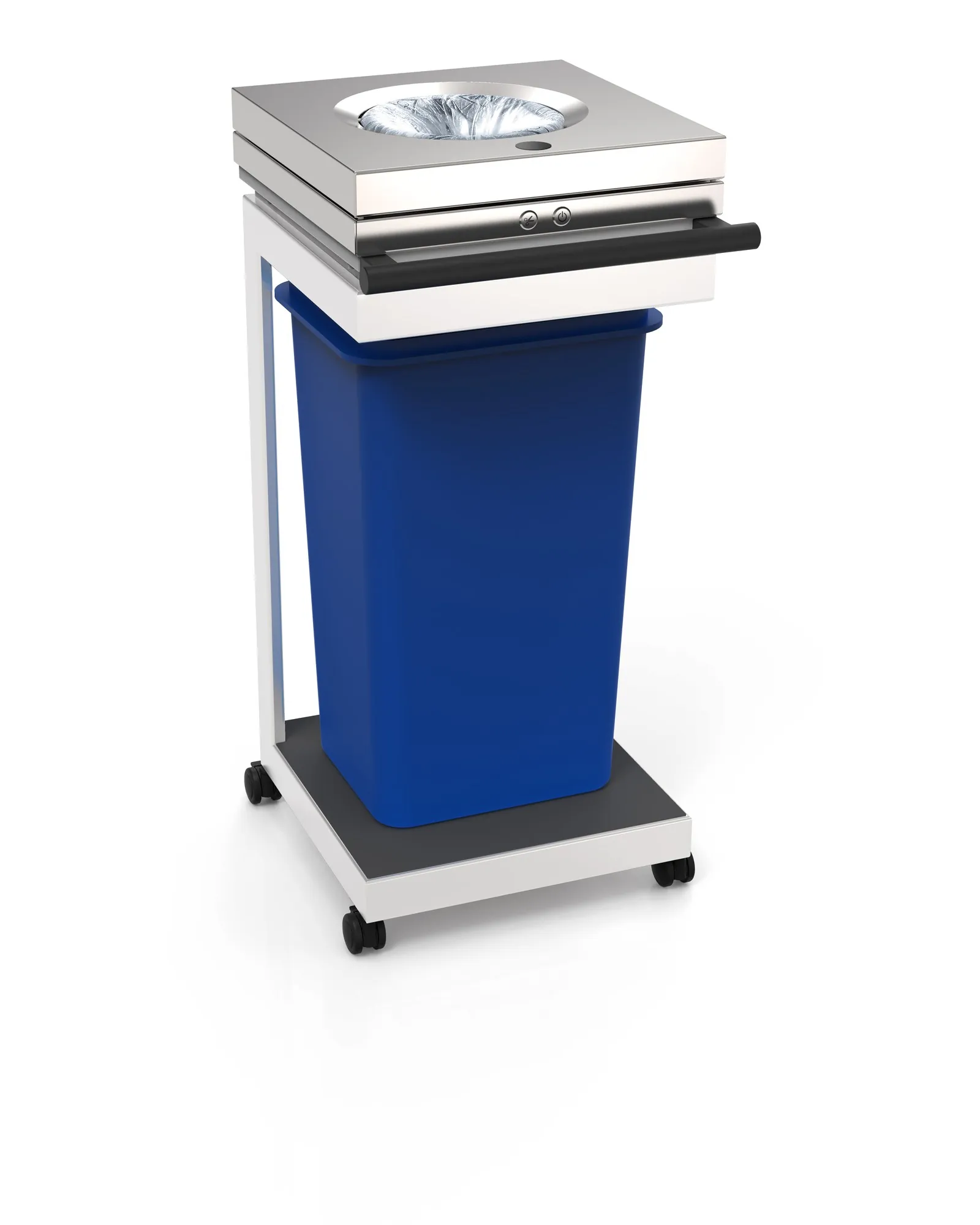
SealSafe Pro, open frame version, with a blue waste bin under the stainless steel top
No. 200702

Open frame

The standard version. The bin stays in view and different bins fit under the frame.

Weight
about 28 kg
Bin
visible, free choice
Suited to
pharmacy, compounding unit, laboratory
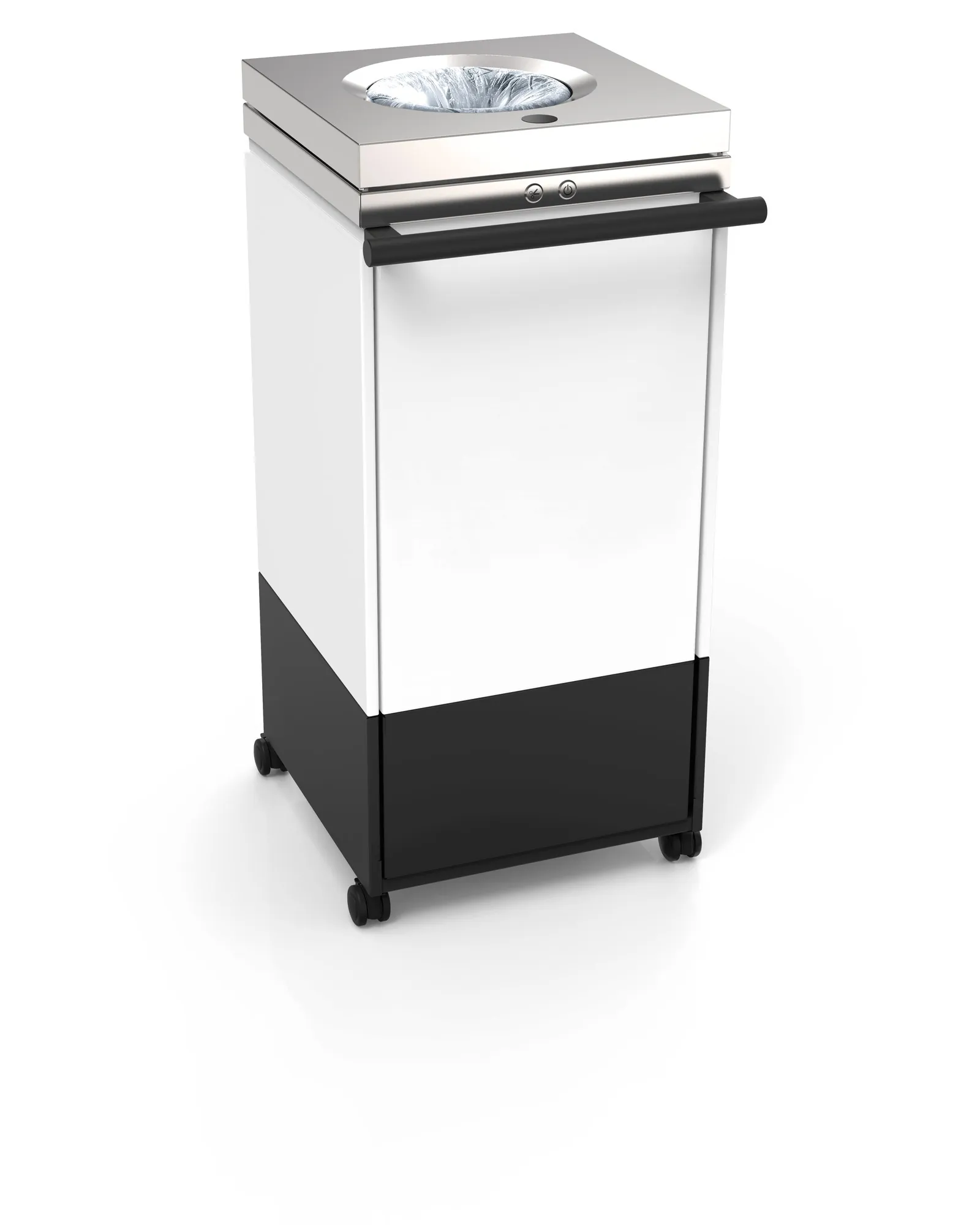
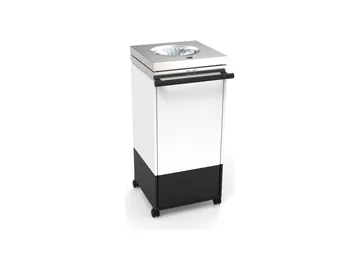
SealSafe Pro, closed housing version, white sheet steel housing on castors
No. 200704

Closed housing

The bin sits behind a door in a powder-coated steel housing: it cannot tip over and the waste is out of sight.

Weight
about 31 kg
Bin
inside, behind a door
Suited to
wards and care units with visitors

SealSafe plus

A separate model that is built onto the claire® pro safety cabinet, so waste is passed on without leaving the cabinet work zone.

Item no.
200029 / 200147
Weight
about 120 kg
W / D / H
599 / 812 / 2000-2069 mm
Parts

Inside the device

Exploded drawing of the SealSafe Pro: lid, sensor, casing, foil tube, inner cover, base plate, keys and handle bar, numbered 1 to 8 12345678
  1. 1Housing lid (stainless steel)
  2. 2Sensor
  3. 3Casing (plastic)
  4. 4Foil tube for sealing
  5. 5Inner cover (stainless steel)
  6. 6Base plate (powder-coated)
  7. 7Keys for on/off and seal-and-cut
  8. 8Handle bar
Opening
Rim entirely of stainless steel: durable and easy to clean
Frame
Steel profile and sheet, epoxy powder coat in white and black (RAL 9003 and 9005, satin)
Set-up
Ready to use once plugged in and the foil tube is inserted
Moving it
Handle bar and castors; first charge of the battery about 24 h
Production
Made in Germany, DIN EN ISO 9001:2015
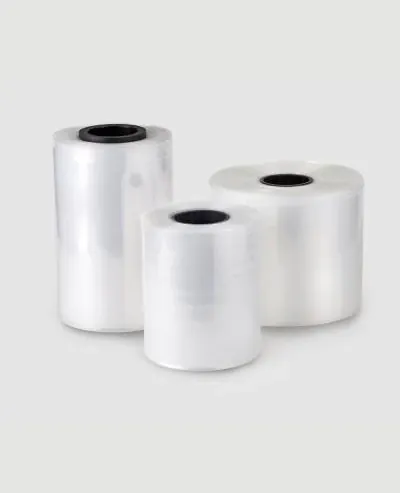
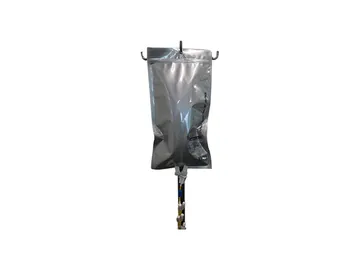
Three rolls of SealSafe foil tube
Consumable

The foil tube

All SealSafe units use the same special tube. The manufacturer states a breakthrough time of more than 7 days for the cytostatic carmustine; other thicknesses, widths and lengths can be made to order.

Material
three-layer polyethylene, continuous tube
Thickness
about 27 µm
Width
about 570 mm
Length
about 32 m per tube
Non-sterile
no. 1000, box of 5
Sterile
no. 1001, box of 3
Video

Ten steps, in three minutes

Technical data

Item number
200702 (open frame), 200704 (closed)
Dimensions (W/D/H)
476 / 514 / 983 to 985 mm
Weight
About 28 kg (open), 31 kg (closed)
Mains supply
230 V / 50 Hz, rated power 130 VA
Protection
Class I / IP20
Battery
About 30 seals per charge; about 24 h charge before mobile use
Operation
Seal by sensor, separating weld by button, bag length automatic
Housing
Stainless steel V2A and powder-coated Zincor steel sheet, RAL 9002 / 9005
Frame
Steel profile and sheet, epoxy powder coat in white and black (RAL 9003 / 9005, satin)
Moving it
Handle bar and castors
Standards
Design to DIN EN 61010-1, production to DIN EN ISO 9001:2015
Foil tube
Three-layer polyethylene, about 27 µm, about 570 mm wide, about 32 m per tube; non-sterile no. 1000 (box of 5), sterile no. 1001 (box of 3)
Conformity
CE; Machinery Directive 2006/42/EC, Low Voltage Directive 2014/35/EU, EMC Directive 2014/30/EU; ISO 12100, DIN EN 61010-1
Frequently asked questions

What is a waste sealing device and what does it do?

A waste sealing device closes hazardous waste in separate bags and heat-seals each bag. SealSafe Pro forms the bags from one continuous foil tube that runs through the device. Residue, vapour and odour of cytotoxic drugs stay inside the foil and do not spread into the bin or the room.

How does SealSafe Pro work, step by step?

1. Switch the device on; the foil area lights yellow when it is ready. 2. Drop the waste through the opening into the foil tube. 3. Trigger the sensor without touching it; the foil moves on and the waste is sealed, with green light. 4. When the bin is full, press the separating button; the foil is cut, a new bag forms and the filled length drops into the bin, with blue light. Red light shows a fault.

What counts as cytotoxic waste?

The Turkish Medical Waste Control Regulation (Official Gazette 25.01.2017, no. 29959), article 4/g, places waste containing cytotoxic (antineoplastic) products used in cancer treatment in the genotoxic waste group, together with the urine and faeces of patients treated with these agents. In practice this covers the syringes, sets, gloves, gowns and vials used in compounding and administering chemotherapy. Under article 17/3 this waste is not sent to sterilisation.

How resistant is the foil tube?

The manufacturer states that the three-layer polyethylene tube has a breakthrough time of more than 7 days for the cytostatic carmustine. The standard tube in the brochure is about 27 µm thick, about 570 mm wide and about 32 m long, in sterile and non-sterile versions. Other thicknesses, widths and lengths can be made to order.

What is the difference between the open and the closed version?

In the open version the bin stays visible and different bins fit under the frame. In the closed version the bin sits inside a powder-coated steel housing with a door: it cannot tip over and the waste is out of sight. The manufacturer suggests the closed version for hospital and care units with visitors. They weigh about 28 kg and 31 kg.

Can it be used with a safety cabinet?

SealSafe Pro is a free-standing device that stands next to the cabinet and seals the waste that comes out of it. Berner also makes a separate model, SealSafe plus, that is built onto the claire pro safety cabinet so waste is transferred without leaving the cabinet work zone.

How is cytotoxic waste classified?

The European waste list gives cytotoxic and cytostatic medicines the code 18 01 08*; the star means hazardous waste. Waste that needs special collection to prevent infection has the code 18 01 03*. The manufacturer notes that, depending on the laboratory and the code, such waste is collected in special single-use containers and incinerated, or inactivated and incinerated on site.

Can it be used without touching it?

Yes. The infrared sensor starts the weld when you hold a hand above it; it serves only to trigger the seal. An optional foot pedal adds a second way to start it without hands on the surface. The on/off and cut-off buttons are on the housing.

What does installation need?

A 230 V / 50 Hz socket is enough; rated power is 130 VA. Once the foil tube is inserted, the device is ready. For battery use the first charge takes about 24 hours; the battery charges while the device is on mains.

Which directives and standards does it meet?

The EC declaration of conformity names the Machinery Directive 2006/42/EC, the Low Voltage Directive 2014/35/EU and the EMC Directive 2014/30/EU, with ISO 12100 and DIN EN 61010-1. The manufacturer states that the device is type-tested and certified, and is made in Germany.

Updated: 04.11.2026

A SealSafe Pro for your unit?

Write to us for a quote, the foil tube or product documents.