Frequently asked questions
What is an intubating laryngeal mask airway (ILMA), and how does it differ from a classic laryngeal mask?
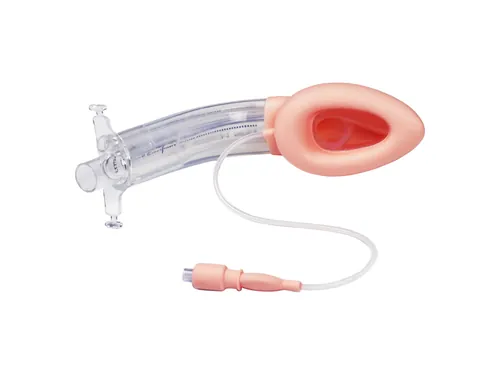
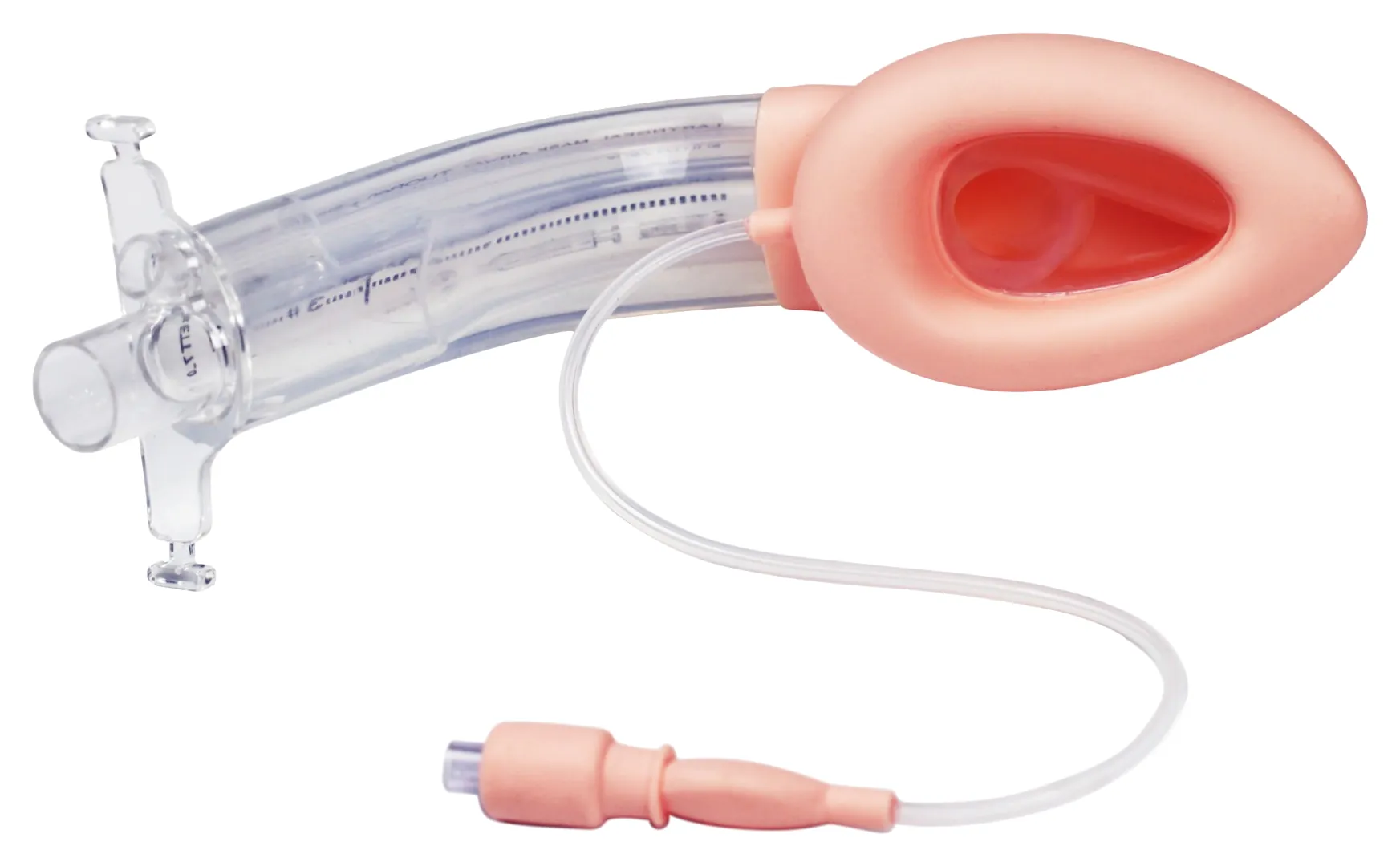
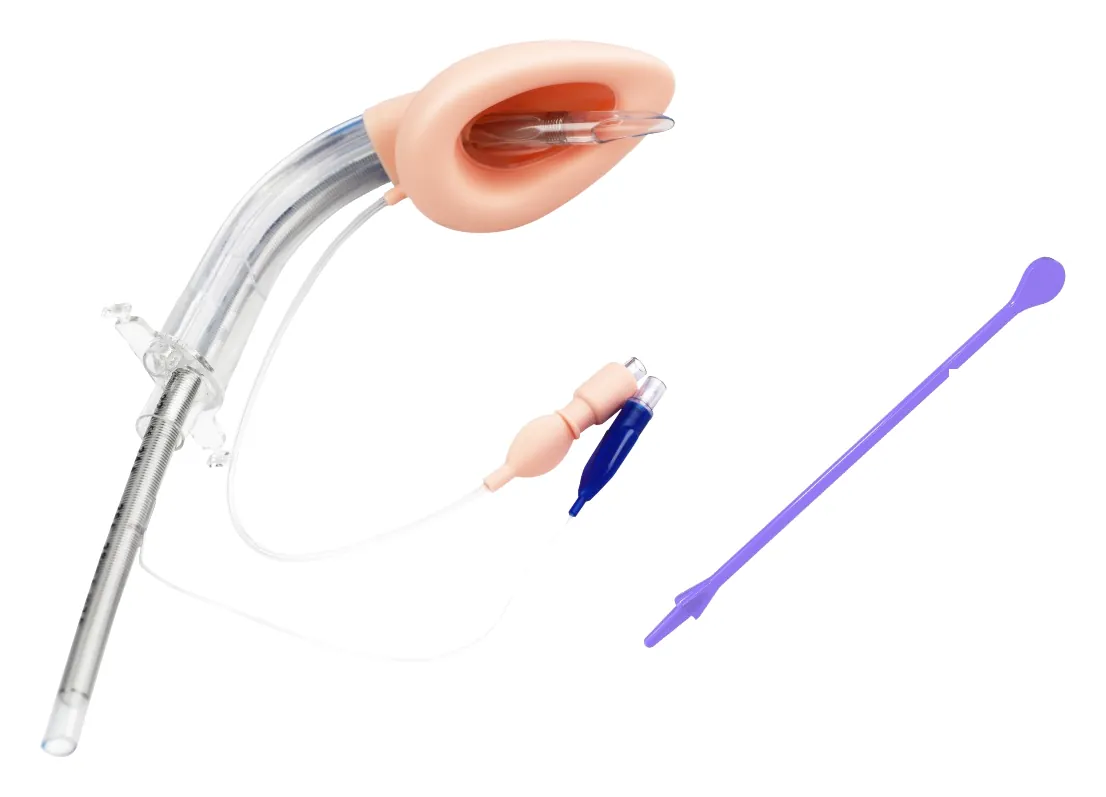
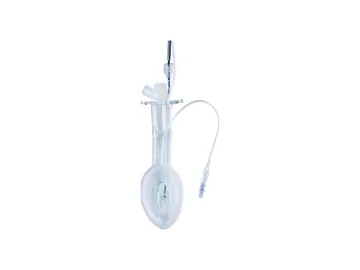
An intubating laryngeal mask airway keeps the airway open like a laryngeal mask, and then guides an endotracheal tube through the mask into the trachea. The main job of a classic laryngeal mask is supraglottic ventilation. The Blockbuster has a guidance device that directs the tube to the glottis, and it is used with its own endotracheal tube and exchange guide. ILMA and iLMA are both used as abbreviations.
How does the Blockbuster differ from the video and visual laryngeal masks?
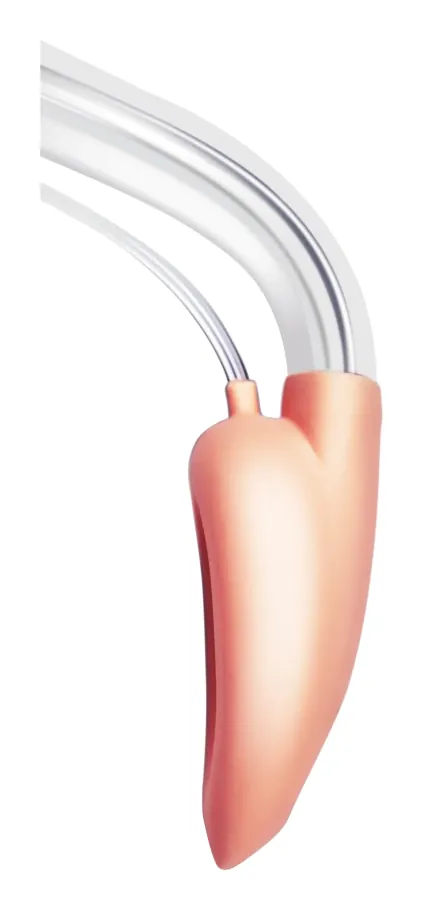
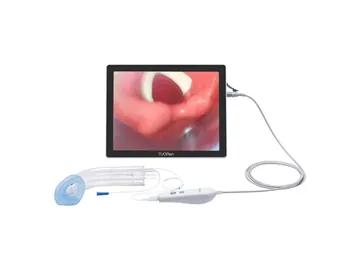
The Blockbuster has no camera; its main job is to guide intubation. It is silicone, with an inflatable cuff. In the video laryngeal mask the camera sits in the lumen, the cuff is not inflated and an alarm is given if the mask moves. In the visual laryngeal mask the glottis is seen through a covered viewing channel, with double drainage. A video laryngoscope is a separate device.
Which sizes are available, and which tube and bronchoscope fit each size?
There are seven sizes: 1.0, 1.5, 2.0, 2.5, 3.0, 4.0 and 5.0. A laryngeal mask size is usually chosen by the patient's weight. The weight range per size, the endotracheal tube size that passes and the bronchoscope diameter that fits are not listed on this page; the catalogue does not give this.
How is intubation done through the Blockbuster?
The mask is inserted and the patient is ventilated through it; the endotracheal tube is advanced through the mask, blind or with a fiberscope, and the guidance device directs it to the glottis. The catalogue does not give the detailed steps, such as removing the mask or using the exchange guide. The physician chooses the method.
Is the Blockbuster single use or reusable?
The body is silicone. This page does not say whether the mask is single use or can be reprocessed, or how many times it can be used; the catalogue does not give this. The mask is used with its own endotracheal tube and exchange guide; what comes in the set is not listed on this page.
Is there published research on the Blockbuster?
Yes. The largest is a randomised study in 13 hospitals with 651 patients (Gao et al., Expert Review of Medical Devices, 2022): against a second-generation supraglottic mask, the primary outcome, oropharyngeal seal pressure, averaged 29.9 cmH2O in the Blockbuster group and the difference favoured the Blockbuster. The manufacturer presents the last author, Ming Tian, as the inventor of the device. In some other randomised studies the primary outcome did not favour the Blockbuster: it favoured the compared device in children (Selvin et al., 2023) and in burn contracture (Tripathi et al., 2023), and showed no difference in two intubation studies (Kaur et al., 2025; Sinha et al., 2025).
What did the blind intubation studies find?
Endigeri et al. (Indian Journal of Anaesthesia, 2019) compared the Blockbuster with another intubating laryngeal mask in a randomised study of 60 patients; first-attempt blind intubation success in the Blockbuster group was 90% (27/30), and overall intubation success did not differ significantly between the groups. Yuvaraj et al. (Cureus, 2023) made a similar comparison in 110 patients; first-pass success in the Blockbuster group was 94.5% (52/55), and the difference between the groups was not statistically significant. Both studies were done in one centre in India, in adults under general anaesthesia.
Has the Blockbuster been compared with other masks?
Yes. Nazir and Saxena (Anaesthesiology Intensive Therapy, 2024) compared the Blockbuster with a second-generation supraglottic mask in a randomised study of 100 patients; in the Blockbuster group first-pass blind intubation success was 80% and overall success 94%. Girish et al. (Turkish Journal of Anaesthesiology and Reanimation, 2024) compared a mask named Blockbuster with another intubating laryngeal mask in 140 patients; success without a fiberoptic bronchoscope in the Blockbuster group was 91.4%. In that study first-attempt success was similar in both groups; the second attempt used the mask's own tube and extra manoeuvres. Both studies were single-centre and excluded patients with a predicted difficult airway.
Were the seal pressure and sore throat measured in these studies?
Yes. In Endigeri (2019) the mean oropharyngeal seal pressure in the Blockbuster group was 33.7 cmH2O, and postoperative sore throat was 10% (3/30). In Nazir and Saxena (2024) the mean seal pressure in the Blockbuster group was 28.7 cmH2O. The Girish study did not measure seal pressure. The results of the comparison groups are in the publications. The studies are small. The choice is the physician's.
Can I order the Blockbuster intubating laryngeal mask airway in Türkiye, and what is the price?
We can share the product documents, the seven catalogue sizes and the references of the published studies. Not yet: the Blockbuster intubating laryngeal mask airway is not available for order in Türkiye, so this page carries no list price. Write to us with the button on this page for information; we also answer questions on sizes, tubes and the set.